Services
Defibrillators
Location of defibrillation units
Defibrillator Map
Locations of defibrillators
This map shows the locations of defibrillator units within the council area to help residents understand their distribution. It also shows locations submitted by other local councils to build up a national map.
Please note, this map is not definitive and may contain errors. It should not be used for emergency purposes.
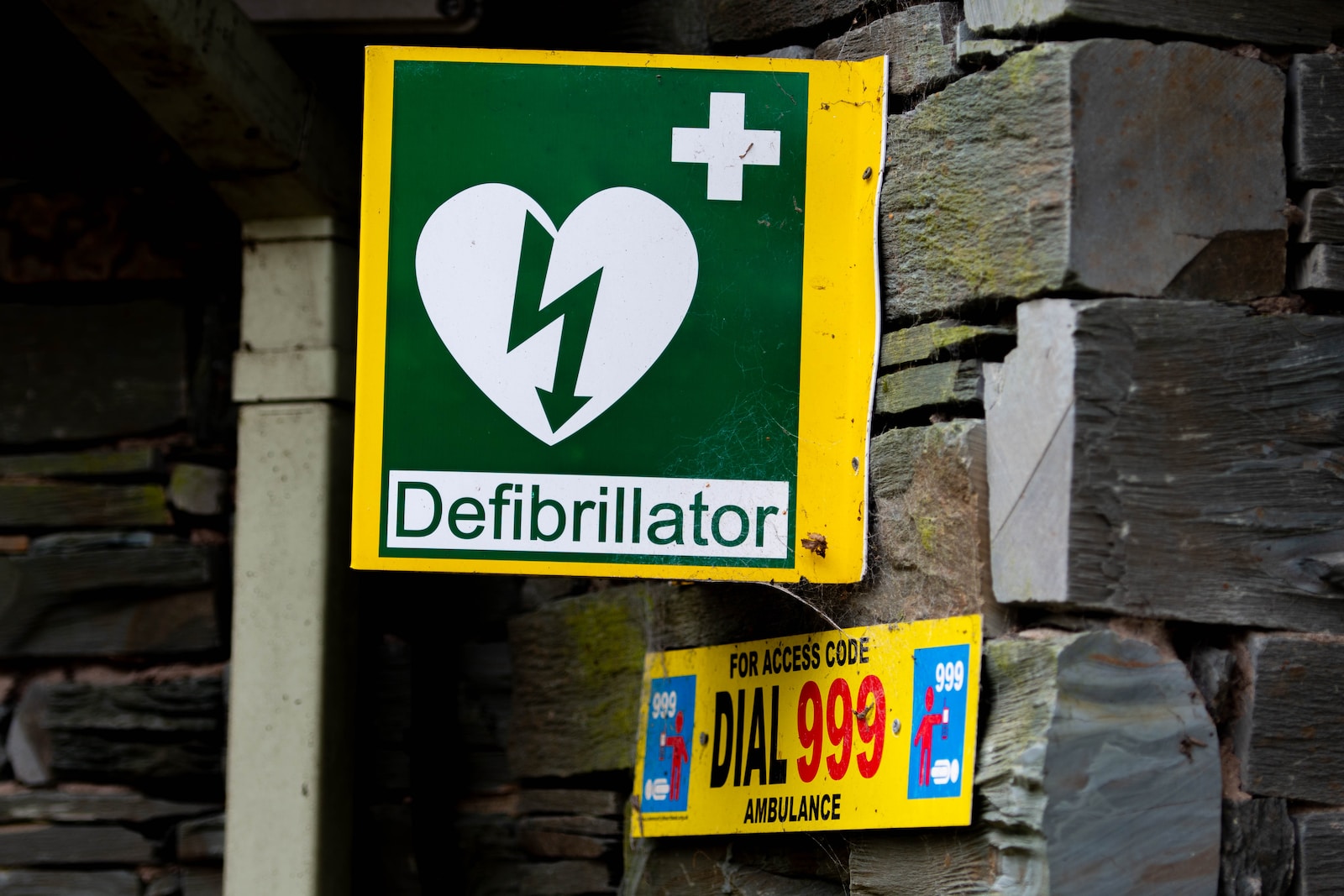
In case of emergency, dial 999.
Location of Defibrillators
Public Telephone
Public Telephone
A443, Holt Heath
WR6 6NT
Castle Barns
8 Holt Castle Barns
Holt Heath
Worcester
WR6 6NJ
Top Barn Business Centre Ltd
Unit 5C, Top Barn
Holt Heath
Worcester
WR6 6NH
Wildgoose Rural Training And Nature Reserve
Wildgoose Rural Training
And Nature Reserve
Old Quarry Drive
Main Road Hallow
Worcester
WR2 6LS
Shrawley Village Hall
Shrawley Village Hall
B4196 Shrawley
WR6 6TT
Grimley Peace Hall
Sinton Green
Hallow
Worcester
WR2 6NP
Fox Inn
Monkwood Green
Hallow
Worcester
WR2 6NX
Ombersley And Doverdale Tennis Club
Droitwich Road
Ombersley
WR9 0DR
Ombersley Medical Centre
Main Road
Ombersley
Worcester
WR9 0EL
Hallow Parish Hall
Main Road
Hallow
Worcester
WR2 6PP
Fox Inn
Hallow Post Office
1 Oakleigh Avenue
Hallow
Worcester
WR2 6NG
Unit 15 Elgar Business Centre
Moseley Road
Worcester
WR2 6NJ
How To Use A Defibrillator
If you’re on your own, don’t interrupt CPR to go and find a defibrillator. If it’s possible, send someone else to find one.
When you call 999, the operator can tell you if there’s a public access defibrillator nearby.
To use a defibrillator, follow these simple steps:
Step 1: Turn the defibrillator on by pressing the green button and follow its instructions.
Step 2: Peel off the sticky pads and attach them to the patient’s skin, one on each side of the chest, as shown in the picture on the defibrillator.
Step 3: Once the pads have been attached, stop CPR and don’t touch the patient. The defibrillator will then check the patient’s heart rhythm.
Step 4: The defibrillator will decide whether a shock is needed and if so, it will tell you to press the shock button. An automatic defibrillator will shock the patient without prompt. Don’t touch the patient while they are being shocked.
Step 5: The defibrillator will tell you when the shock has been delivered and whether you need to continue CPR.
Step 6: Continue with chest compressions until the patient shows signs of life or the defibrillator tells you to stop so it can analyse the heartbeat again.
Anyone can use a defibrillator and you don’t need training. Once you turn it on, it will give clear instructions on how to attach the defibrillator pads. The device checks the heart rhythm and will only tell you to shock if it’s needed. You can’t shock someone accidentally.